Cow Wearing Cowboy Hat Boots: A Fun Embroidery Design for Real Projects
As an embroidery designer with years of experience in creating and evaluating machine embroidery designs, I’ve seen my fair share of whimsical and practical graphics. When I first opened the Cow Wearing Cowboy Hat Cowboy Boots design by Caty Catherine, I was immediately drawn to its playful charm and clear visual appeal. This SVG-based design has a lot going for it, but like any good embroidery project, it requires thoughtful consideration before use.
First Impressions: Quirky and Versatile
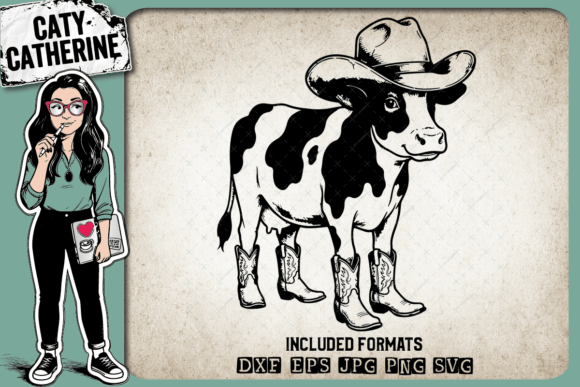
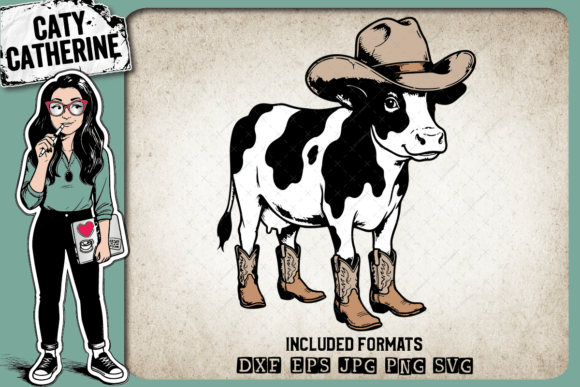
The Cow Wearing Cowboy Hat Cowboy Boots is a standout example of how personality can shine through in digital embroidery files. The cow is stylized in a classic Western silhouette—wide-brimmed hat, spurs on boots, and a confident stance—that instantly evokes a sense of fun and nostalgia. The layout is balanced, with enough detail to be eye-catching without overwhelming the viewer. It’s not too intricate, which makes it a great candidate for a variety of projects, from casual apparel to home décor.
What caught my attention most was the design’s ability to convey a story in a simple yet effective way. It’s perfect for customers who want something unique, memorable, and slightly humorous. If you’re an Etsy seller or a small business owner looking to stand out in a crowded market, this kind of character-driven design can do wonders for engagement and brand recognition.
Design Structure and Detail Level
Looking closer, the cow’s outline is clean and well-defined, suggesting that it will translate nicely into satin stitch outlines. The facial expressions are subtle but expressive, adding a touch of warmth and approachability. The cowboy hat and boots are rendered with just the right amount of detail—enough to feel authentic but not so much that they become difficult to stitch consistently across different fabric types.
Because the design includes both the hat and boots, it adds a sense of completeness and movement, making it more dynamic than a static animal shape. However, since it's provided only as a DXF file (and not with stitch count details), it's important to open it in your embroidery software and review how it breaks down into stitch types. That said, the overall structure looks like it should work well with standard stitch settings.
Real-World Use Cases for Cow Wearing Cowboy Hat Cowboy Boots
This design has broad appeal and fits well into several common embroidery scenarios:
- Tote bag design: The cow could be stitched along the bottom or center of a canvas tote, especially one intended for a western-themed collection or personalized gift. Its size and clarity would make it pop against a neutral background.
- Sweatshirt embroidery: On a soft cotton sweatshirt, the design would look cozy and cute. It’s ideal for kids’ wear or themed merchandise at local craft fairs or boutiques.
- Embroidered patch: Turning this into a patch would be a great way to offer a standalone product for hobbyists or collectors. Just ensure the stitch density is adjusted for patch-like durability.
- Tea towel or apron: As part of a kitchen line, the design brings a lighthearted touch. It works especially well with light-colored cotton or linen fabrics where color contrast is easy to achieve.
- Baby items: For a rustic-themed nursery or baby clothing, this design could be adapted with softer colors and smaller scale, though the original version is already charmingly kid-friendly.
- Holiday gifts and decor: Think Fourth of July or Christmas stockings with a western flair. The graphic adds a festive element while maintaining its own identity.
- Printable mockups: As a digital embroidery file, it also pairs well with printable mockups for showcasing finished products online—especially if you're an Etsy seller or digital product creator.
One thing I noticed right away is that the design feels like it belongs in the “crafts” and “graphics” categories, which it does. But what matters most is how it performs when applied to real materials and machines. And that’s where we need to get practical.
Where to Use It Carefully
While the Cow Wearing Cowboy Hat Cowboy Boots is a versatile and appealing design, there are certain situations where it might not perform as expected. Here are a few things to keep in mind:
- Small hoop sizes: The cow is fairly large, so if you're working within tight space constraints, consider scaling it down carefully and testing stitch flow on scrap fabric.
- Textured or stretchy fabrics: The design’s fine lines may struggle on denim, flannel, or knits unless stabilizer is used properly. Stretchy materials can distort the shape if not hooped tightly enough.
- Dark fabric backgrounds: Since the thread colors aren’t specified, I recommend choosing a white or cream design to ensure visibility. Otherwise, test it on dark fabric using black or contrasting thread colors.
- Curved surfaces: The cow’s posture is upright, which means it won't wrap around easily. You’ll need to adjust the placement and possibly tweak the design for seamless integration.
- Frequent-wash items: Items like aprons, tea towels, or baby clothes require durable stitching. Make sure the fill areas are well-balanced and not too dense, which can cause puckering over time.
Thread Color Considerations
Since the design doesn’t come with specific thread color charts, you’ll have some creative freedom—but also responsibility. The default colors are bright and bold, which is great for novelty items or seasonal pieces. However, if you're aiming for a more muted or vintage look, you’ll need to manually adjust the thread palette in your embroidery software.
Testing the design in black and white can help determine whether the contrast will hold up regardless of the fabric you choose. It's also wise to compare how it looks on both light and dark backgrounds, especially if you're planning to sell it as a commercial embroidery asset or offer it as part of a customizable product line.
Practical Designer Notes
Here are a few key tips for getting the best results with Cow Wearing Cowboy Hat Cowboy Boots:
- Test on scrap fabric first. Especially if you're using it for a commercial project or selling finished goods, always run a test piece to see how it stitches out.
- Review stitch density. Dense fill areas can lead to puckering, especially on thinner fabrics. Adjust accordingly for the best outcome.
- Confirm hoop size requirements. Without exact specifications, it’s important to check the dimensions in your software and plan for any resizing needed.
- Inspect small details. The cow’s eyes and hat brim are delicate elements that may require extra care when stitching to avoid distortion.
- Use proper stabilizer. Even on stable fabrics, backing stabilizer can make a big difference in keeping the design sharp and clean.
- Check licensing before selling. As a digital product seller or commercial embroiderer, make sure you understand the terms of use for the design to avoid legal issues down the line.
Visual Appeal and Professionalism
In terms of visual appeal, this design scores high. It’s instantly recognizable and has a strong visual presence, which is great for branding or creating a signature item in your handmade shop. The level of detail is just right—not too busy, not too basic—which helps maintain a professional look even when the theme is playful.
When it comes to customer trust, a well-executed design like this can elevate your brand. People buy embroidered products because they expect quality and uniqueness. If the cow is stitched cleanly and presented thoughtfully, it can enhance the perceived value of your handmade product or boutique item.
Project Compatibility and Branding Potential
I see this design fitting naturally into a number of product types:
- Custom apparel for children or teens with a western twist
- Pillow covers or wall art for country-style interiors
- Personalized gifts like monogrammed blankets or holiday stockings
- Digital embroidery files for resale or inclusion in kits
- Commercial embroidery for small shop merchandise or seasonal promotions
It’s also worth considering how this design might complement other design assets in your portfolio. If you're building a cohesive collection of Western-themed items, the cow becomes a valuable anchor. Its consistent style and character can help reinforce your brand’s visual language, especially for craft businesses and Etsy sellers.
Stitch Clarity and Product Value
Stitch clarity is essential for any embroidery design, and Cow Wearing Cowboy Hat Cowboy Boots delivers on that front—if handled correctly. The lines are smooth and continuous, which is a sign of good vector path construction. However, because it's provided in a single ZIP file containing DXF format, you’ll need to convert or import it into your preferred software to evaluate stitch flow and sequence.
For those new to handling DXF files, take your time. Ensure all layers are visible and editable, and confirm that no parts of the design are missing or misaligned. Once you're comfortable with the file setup, you can begin customizing it for your project.
In terms of product value, this design has potential to increase the perceived worth of your item. Whether it’s a personalized baby cap or a custom apron for a ranch-themed boutique, the cow adds a unique touch that can justify a higher price point and attract buyer engagement.
Final Thoughts
Overall, Cow Wearing Cowboy Hat Cowboy Boots is a well-crafted machine embroidery design that brings joy and character to any project. It’s suitable for both personal and commercial use, provided you follow the necessary steps to adapt it to your materials and machine capabilities. From my perspective as a designer and reviewer, it’s a solid addition to any embroidery library—especially for those working in the crafts sector or running a small creative business.
If you're an embroidery project planner or someone who wants to create something memorable, this design gives you a foundation to build upon. With the right adjustments and preparation, it can become a beloved feature in your next finished product—whether you're crafting for yourself, your family, or your customers.